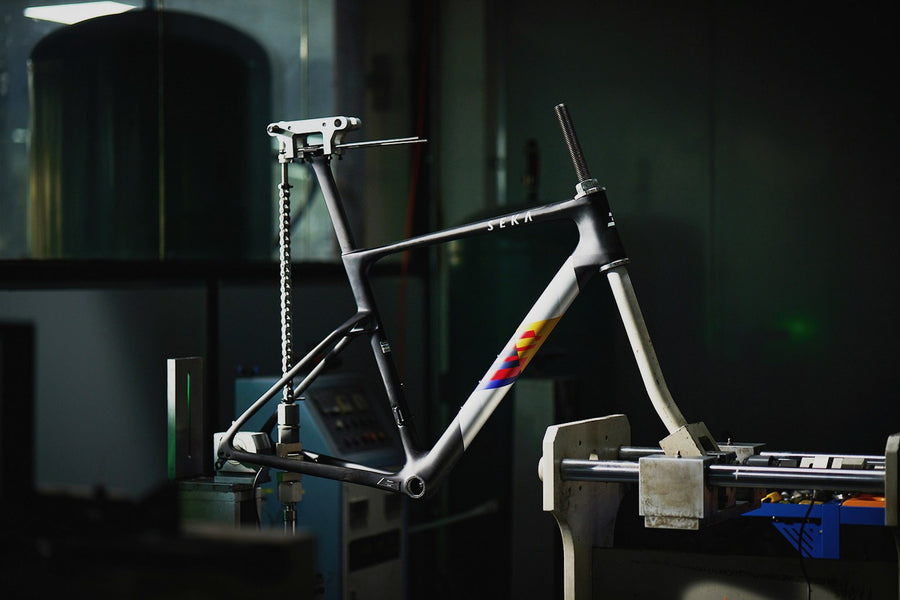
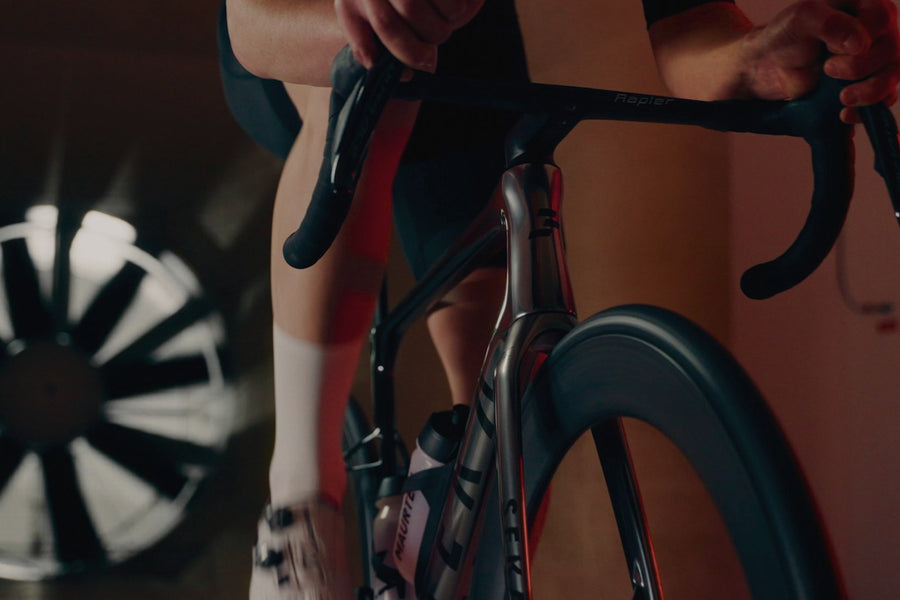
Windkanalzahlen sind leicht zu veröffentlichen und schwer zu glauben. Als SEKA also den Silverstone Sports Engineering Hub mit Aerocoach buchte, um das Spear zu validieren, zählte das Protokoll mehr als die Schlagzeile: gleicher Fahrer, gleiche Leistung, Gierwinkel von −15° bis +15°, so oft wiederholt, bis die Fehlerbalken langweilig wurden.

Die Zahl, auf die es ankommt
Über den gesamten Bereich hatte das Spear im Schnitt 6 Watt weniger Luftwiderstand als die Vorgängergeneration bei 45 km/h. Auf 40 km Zeitfahren sind das 15,27 Sekunden — ungefähr der Abstand zwischen Platz drei und Platz zehn bei einer nationalen Meisterschaft.
Woher die Watt kamen
Die Hälfte der Ersparnis geht auf Steuerrohr und Gabelkrone zurück, überarbeitet nach 280.000 CFD-Datensätzen. Der Rest ist das integrierte Cockpit: Züge verschwinden, und mit ihnen ein messbarer Teil der Stirnfläche.
Was wir nicht veröffentlicht haben
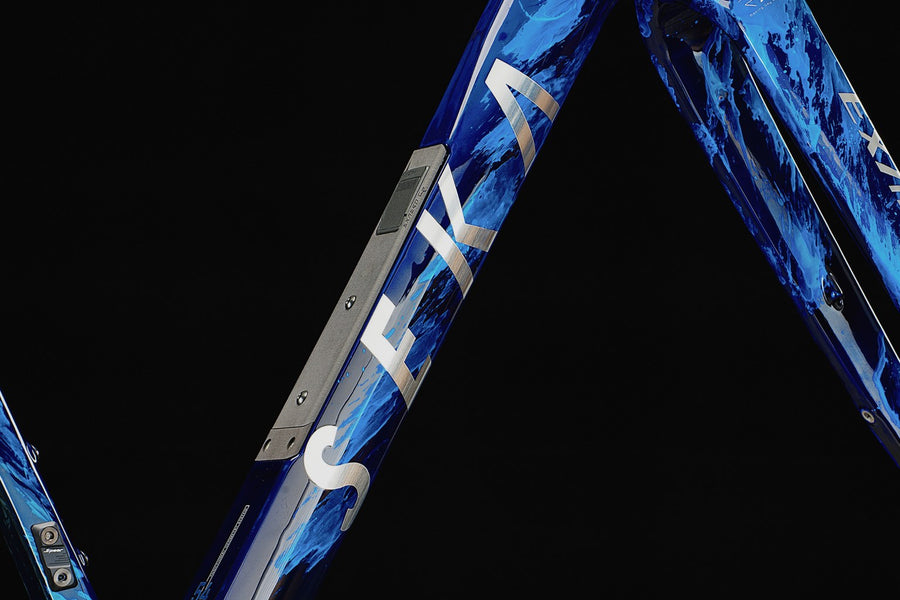
Zwei Konfigurationen waren langsamer als der alte Rahmen. Sie stehen im Anhang des internen Berichts, und sie haben den finalen Rohrsatz genauso geprägt wie die Gewinner. Testen, das nur bestätigt, ist Marketing; Testen, das aussortiert, ist Ingenieursarbeit. Das Frameset aus diesen Sessions ist das Spear RDC Frameset.
Dies ist ein Beispielartikel — die Inhalte sind illustrativ, kein eigener Test.